
Introduction
Visiting a new country is an adventure, an exciting blend of cultural exploration, delicious food, and unexpected faces. Still nothing improves travel more than being able to connect with locals in their native language. If you are planning to visit Malaysia, Brunei, or certain parts of Indonesia or Singapore, knowing some Malay can make all the difference.
Malay language course in Singapore can be your first step to exploring meaningful cultural experiences in the area. If you are an explorer eager to get off the beaten path or a food lover hoping to order street food like a local, learning a few key phrases and communication strategies in Malay will go a long way.
Why Learning Malay Before Traveling Is a Smart Choice
Build Genuine Connections with Locals
Language is one of the most effective ways to connect with people. When you greet someone in Malay or make an effort to communicate in their language, locals often respond warmly and appreciate your effort. These interactions can lead to more authentic cultural experiences and memorable conversations.
Travel More Independently
Knowing basic Malay phrases can help you handle everyday situations without constantly relying on translation apps. From asking for directions and ordering meals to shopping at local markets, simple language skills can make your travels much smoother.
Gain a Better Understanding of Local Culture
Learning a language also means learning about the culture behind it. Understanding common expressions, customs, and etiquette helps travelers show respect and avoid cultural misunderstandings while exploring new destinations.
Benefits of Learning Malay for Modern Travelers
In today’s global travel environment, language skills go far beyond basic convenience. Learning Malay before your journey can significantly enrich your travel experience by helping you connect more deeply with local culture, people, and places.
Easier Travel Across Multiple Countries
Malay is widely spoken and understood in Malaysia, Brunei, Singapore, and several parts of Indonesia. Having a basic understanding of the language allows travelers to communicate more easily across multiple destinations. Instead of depending completely on translation apps, you can handle everyday interactions with greater ease and confidence.
Better Travel Experiences Beyond Tourist Spots
Some of the most memorable travel experiences are found away from popular tourist attractions. Local markets, hidden food stalls, and traditional villages often offer a more authentic glimpse into the culture. Knowing basic Malay helps you interact with locals, ask for recommendations, and discover unique places that most tourists tend to miss.
More Confidence for Solo Travelers
Solo travel can be exciting, but it also comes with challenges such as asking for directions, ordering food, or seeking help in unfamiliar situations. Even a basic knowledge of Malay can reduce stress and make communication smoother, helping solo travelers feel more confident and independent throughout their journey.
Stronger Business and Networking Opportunities
For professionals visiting Malaysia or Singapore, even a small effort to speak Malay can make a strong impression. It helps build better relationships with local clients, colleagues, and business partners. Demonstrating cultural awareness through language often leads to more meaningful conversations and improved networking opportunities.
Essential Malay Phrases Every Traveler Should Know
Here are some must-know phrases that are especially useful for travelers. Malay is a phonetic language, so pronunciation is relatively straightforward.
Greetings and Basic Protocol
- Hello – Halo or Hai
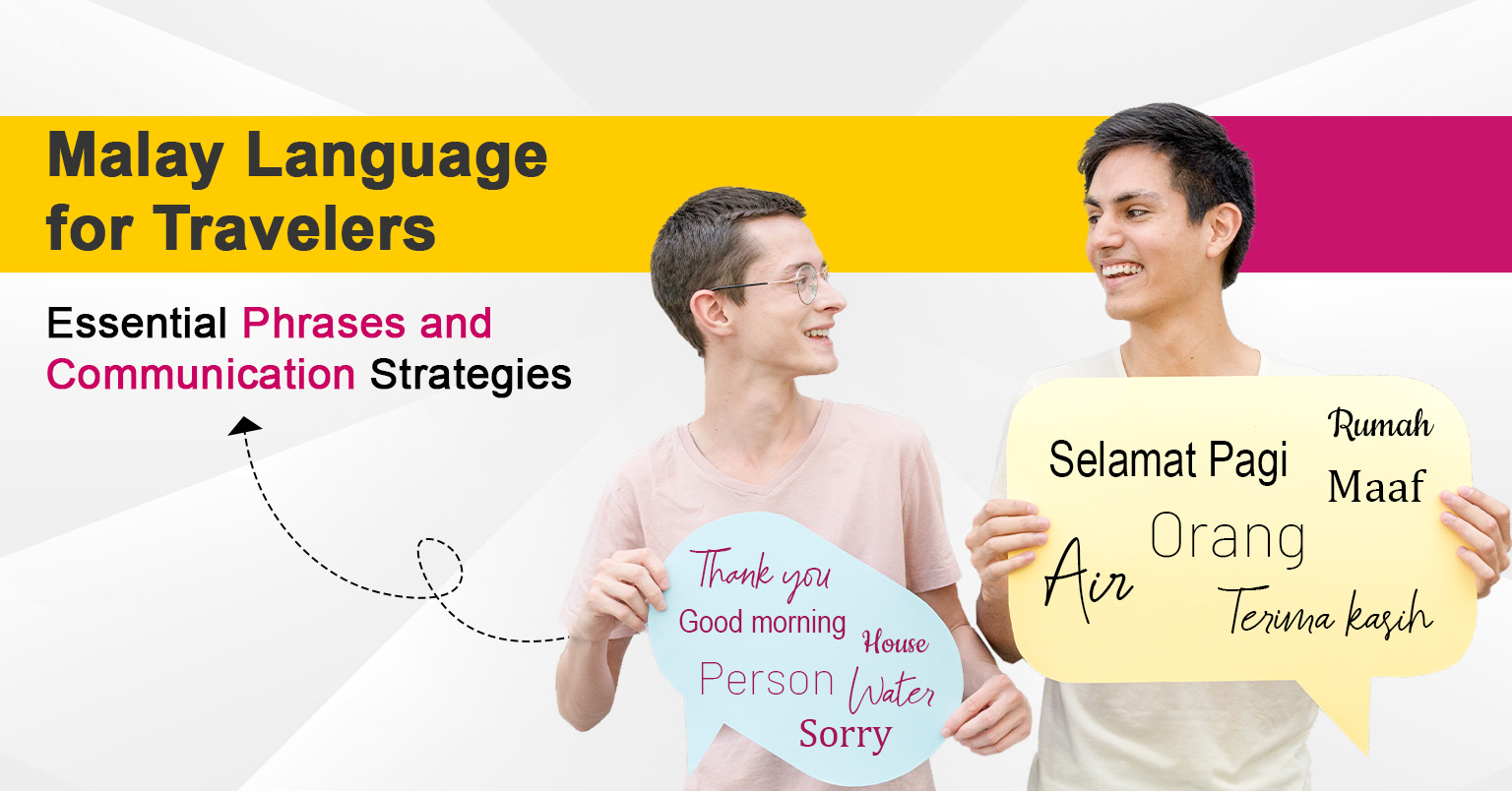
- Good morning – Selamat pagi
- Good afternoon – Selamat tengah hari
- Good evening – Selamat petang
- Good night – Selamat malam
- Goodbye – Selamat tinggal or Jumpa lagi
- Thank you – Terima kasih
- You’re welcome – Sama-sama
- Please – Sila or Tolong
- Sorry / Excuse me – Maaf
Asking for Directions
- Where is…? – Di mana…?
- Toilet – Tandas
- Bus stop – Perhentian bas
- How do I get to…? – Bagaimana saya pergi ke…?
- Left / Right / Straight – Kiri / Kanan / Terus
Shopping and Eating Out
- How much is this? – Berapa harga ini?
- Too expensive – Terlalu mahal
- Cheaper, please – Boleh kurang sikit?
- I want this – Saya mahu ini
- Delicious – Sedap
- Not spicy – Tak pedas
- Vegetarian – Vegetarian or Tidak makan daging
Emergency and Help
- Help! – Tolong!
- I’m lost – Saya sesat
- I need a doctor – Saya perlukan doktor
- Call the police – Telefon polis
Communication Strategies for Travelers
Understanding a few phrases is great, but you can be even more successful if you combine them with clever communication techniques.
1. Speak Slowly and Clearly
Even if your vocabulary is limited, clear pronunciation can make a big difference. Locals will frequently try to help or even switch to English if you are trying to communicate.
2. Use Gestures
Non-verbal communication can fill many gaps. Pointing, smiling, and using hand gestures are all useful tools when words are not sufficient.
3. Repeat and Rephrase
If someone doesn’t understand you the first time, try speaking more slowly or using different words. Rephrasing is beneficial.
4. Practice Listening
One of the finest methods to learn is to listen to local talk. Try watching Malay YouTube videos, listening to local radio, or simply listening to conversations at food stands.
How a Malay Language Course in Singapore Can Help
While picking up a phrasebook or using a translation app is helpful, nothing beats formal training when you really want to utilize the language properly.
Structured Learning for Quick Progress
A Malay language course provides organized lessons designed specifically for beginners and travelers. You will learn practical vocabulary, pronunciation advice, and real-life conversational situations.
Confidence Through Practice
Courses often include role-play and interactive sessions where you can practice ordering food, asking for directions, or checking into a hotel all in Malay. This boosts your confidence and helps you remember phrases more naturally.
Cultural Insights
There’s more to Malay than just words; it’s also about culture. Knowing local customs, etiquette, and values helps make your travel more meaningful. A decent class will teach you how to welcome elders, be respectful, and avoid cultural faux pas.
How to Learn It: Inspilingua’s Malay Language Course in Singapore
Inspilingua’s Malay language course in Singapore caters to travelers, expats, and locals who want to connect with Malay-speaking communities more deeply, making it an effective and enjoyable way to learn the language.
Why choose Inspilingua?
- Experienced Native Instructors: Our teachers are passionate about helping you gain practical speaking skills fast.
- Travel-Focused Curriculum: Learn exactly what you need for real-world travel situations from ordering food to handling emergencies.
- Supportive Learning Environment: We foster a friendly and encouraging classroom atmosphere where mistakes are part of the learning journey.
- Interactive & Practical Lessons: Our classes focus on real-life scenarios, role-plays, and conversation practice to boost your confidence from day one.
- Small Class Sizes: Get more personal attention and practice time with our interactive teaching style.
- Located in the Heart of Singapore: Easily accessible and surrounded by multicultural inspiration.
Conclusion
Traveling is much more than pursuing sights it is about connection, understanding, and togetherness. So learning Malay isn’t just picking up skills, it is providing yourself the opportunity to step on the other side and experience real adventures.
If you are visiting Malaysia for business, backpacking through Borneo, or just want to explore the extensive Malay influence in Singapore, a Malay language course in Singapore is an excellent place to start.
Ready to make your next trip unforgettable? Start learning Malay today and say “Selamat datang!” to a world of travel opportunities.